Decades of engineering impact
We look back at 26 groundbreaking inventions and discoveries from UW engineers and computer scientists that have transformed the way we live, work and connect.
From the beginning, UW engineers and computer scientists have shaped progress in ways that touch everyday life. Here we spotlight 26 inventions and discoveries developed wholly or in part by faculty, alumni and staff — examples of the lasting impact of UW engineering innovation.
This list isn’t meant to be definitive, but a snapshot of a much larger legacy — one that includes foundational research and advances in theory and methodology that reshaped engineering practice, making later breakthroughs possible. We acknowledge that most of the names here are men, a reflection of the field’s historical gender imbalance. We look forward to highlighting a broader range of contributors and innovations in future features.

Air and space
From the physics of flight to the frontiers of space exploration, UW engineers have helped reshape how we move through — and understand — the skies above us. Their innovations span aviation and aerospace, advancing aircraft technology and expanding space-age discovery.
Boeing jet airliner
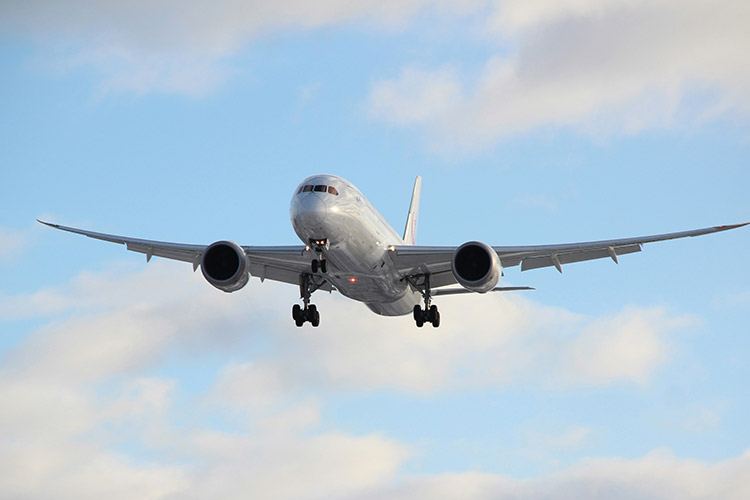
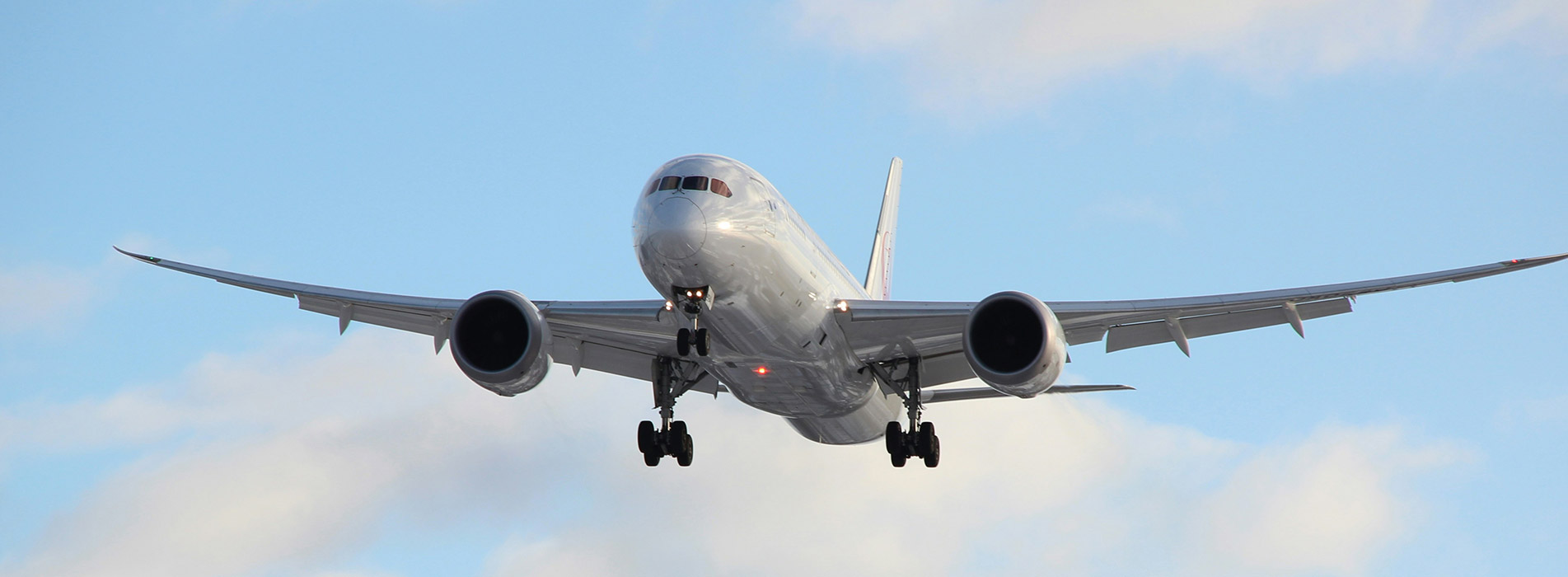
If you’ve flown on a Boeing commercial airliner, you’ve experienced the work of Maynard Pennell, ’31; Jack Steiner, ’40; Joe Sutter, ’43; John Roundhill, ’67; and others — aeronautical engineering graduates who served as chief designers of jet planes that revolutionized air travel.
Ceramic tiles for re-entry
When early space shuttle tiles failed under 2,000-plus-degree re-entry heat, engineering professors James Mueller and John Bollard, along with other UW scientists and students, devised solutions to fix the problem: strengthening tile material and toughening its base, creating stronger load paths between the tiles and the vehicle surface.
Cycloidal propeller
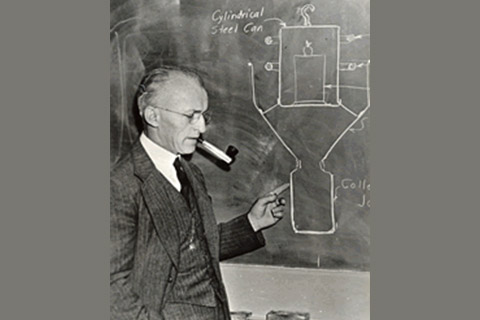
Invented in the early 1920s by engineering professor Frederick Kirsten, the cycloidal propeller used rotating blades with changing pitch to produce thrust in any direction. Tested in the UW’s wind tunnel and later developed with William Boeing, the design enabled exceptional maneuverability and influenced modern thrust-vectoring systems still used in marine propulsion.
Hard spacesuit
Electrical engineer Siegfried Hansen, ’33, developed the early hard-shell “Mark I” spacesuit, featuring a rigid torso and flexible arms that maintained constant volume while allowing the occupant to manipulate their external environment. His design laid the foundation for the spacesuits used in NASA missions today.
Inventor spotlight

Frederick Kirsten
In 1921, Frederick Kirsten filed the first patent awarded to a UW faculty member. He went on to patent more than two dozen inventions, including the Kirsten pipe, air-raid sirens, fire extinguishers, neon lights and air cleaners.
Computing and digital technologies
UW engineers and computer scientists have played a significant role in building the digital world. From foundational computing systems to everyday software tools, these breakthroughs changed how people compute, communicate and connect at global scale.
Cloud computing infrastructure
As one of Google’s first 20 employees, computer science alumnus Jeff Dean, ’93, ’96, co-designed and co-implemented the revolutionary distributed computing architecture that enabled Google to scale, underpinning the company’s rapid rise and spawning the cloud computing era. Dean now leads Google’s deep learning and language model efforts.
Desktop publishing
Mathematics and computer science alumnus Jeremy Jaech, ’77, ’80, co-founded and led engineering at Aldus, which pioneered desktop publishing with PageMaker. When Aldus was acquired by Adobe, Jaech went on to co-found Visio, maker of the first mass-market diagramming and data visualization software, later acquired by Microsoft.
Digital art and CGI effects
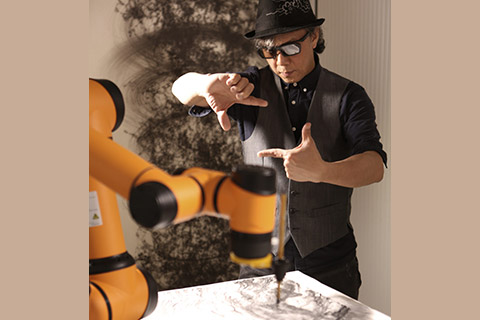
After earning his electrical engineering degree, Victor Wong, ’89, founded vfxNova, the first digital graphics and visual effects house in Hong Kong, helping advance CGI (computer-generated imagery) technologies for film and gaming. Wong also invented A.I. Gemini, a robot trained to paint in the traditional Chinese xieyi style.
Early PC operating systems
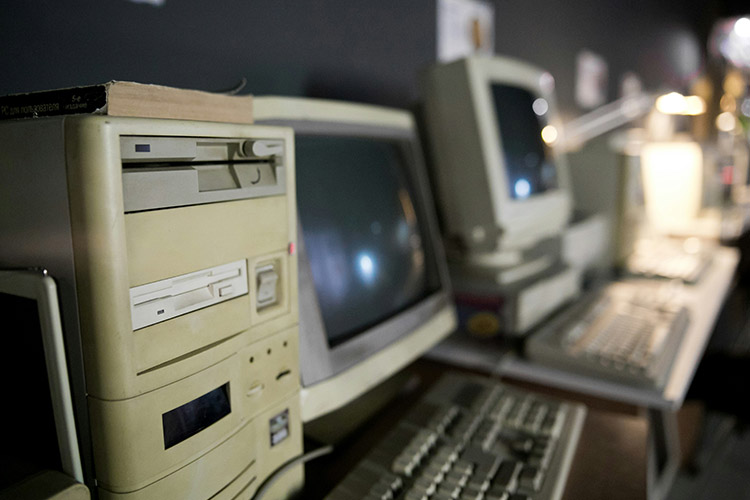
UW alumni helped shape the personal computer revolution. Mathematics and computer science alumnus Gary Kildall, ’67, ’72, created CP/M, the first practical PC operating system. Computer science alumnus Tim Paterson, ’78, later wrote QDOS, which Microsoft acquired, renamed MS-DOS, and licensed to IBM — establishing the industry standard that launched modern personal computing.
Related story

Pushing boundaries in art and tech
From pioneering CGI in film to building an AI-powered painting robot, alumnus Victor Wong’s career bridges engineering, art and innovation.
Fractal graphics and digital animation
Computer science alumnus Loren Carpenter, ’76, revolutionized computer graphics and digital filmmaking. In 1980, he created the world’s first fractal movie using algorithms that rendered landscapes faster than hand-drawn animation. His approach shaped iconic movie effects and later informed Pixar’s industry standard software for digital animation and visual effects.
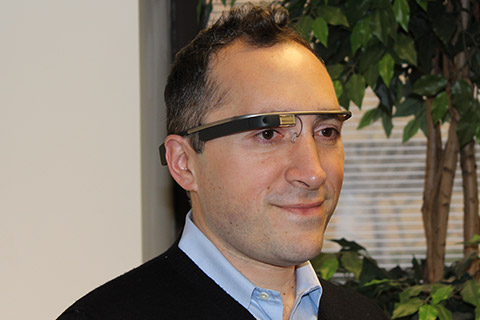
Babak Parviz wearing Google Glass. Courtesy of University of Michigan Electrical and Computer Engineering
Google Glass
Building on his invention of bionic contact lenses, electrical and computer engineering faculty member Babak Parviz founded and led development of Google Glass. His team, which included alumna Jean Wang, ‘04, ‘07, delivered the first fully integrated head-mounted device, advancing AR/VR hardware, wearable technology and robotic surgery platforms worldwide.
Open Data Kit
Allen School Professor Gaetano Borriello led the development of Open Data Kit (ODK) — software for mobile data collection and reporting in low-resource settings. Driven forward by computer science alumnus Yaw Anokwa, ’07, ’12, ODK has been used in over 220 countries to collect billions of records in support of public health, conservation and more.
Shareware
PC-WRITE, written by computer science alumnus Bob Wallace, ’78, was the first software program distributed for free with a proviso asking for a contribution. If the user sent back the fee, they would receive added features. Wallace dubbed the idea “shareware,” a concept that spread worldwide with the birth of the Internet.
Health and wellness
UW Engineering breakthroughs have transformed how we diagnose disease, monitor health and extend human life. These inventions bridge technology and medicine, turning bold ideas into tools that improve care, outcomes and quality of life worldwide.
Cardiac treadmill
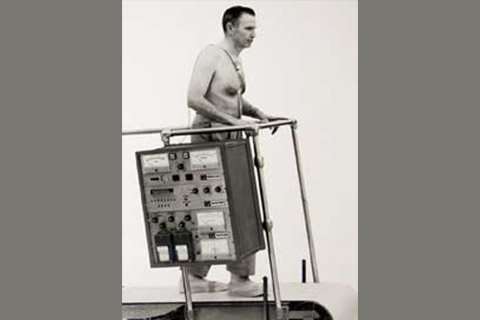
Designed by mechanical engineering alumnus Wayne Quinton, ’59, the first medical treadmill transformed cardiac testing. Used in UW cardiologist Robert A. Bruce’s landmark stress test, it offered a safer, more precise alternative to step tests and enabled physicians to diagnose heart and lung disease.
Duplex ultrasound
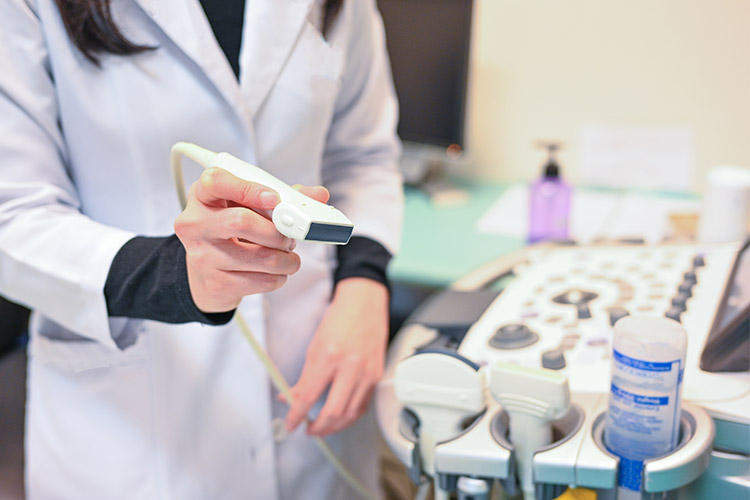
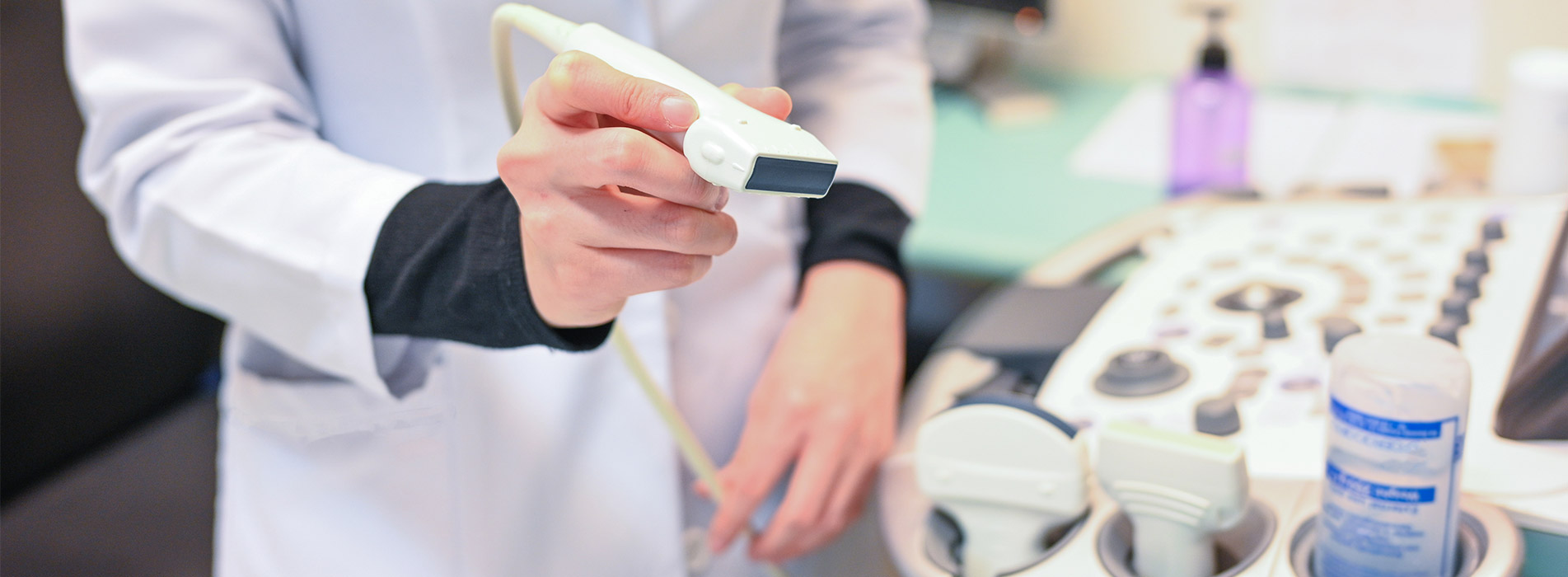
Electrical engineer Don Baker, ’60, was part of a UW team that integrated pulsed Doppler with ultrasound imaging to measure blood flow. This diagnostic tool — duplex ultrasound — became a foundation for modern ultrasound scanners and is used worldwide in cardiology, obstetrics, cancer detection and surgery.
Enbrel and other drugs
Bioengineer Wayne Gombotz, ’85, ’88, helped develop Enbrel, transforming treatment for rheumatoid arthritis and psoriasis. Approved in 1998, it became a top-selling drug. Gombotz also contributed to the development of Leukine, Bexxar, Melacine and Thioplex to treat cancer, MPL to boost vaccine response, and Omidria for use during eye surgery.
Kidney dialysis innovations
UW Medicine Professor Belding Scribner envisioned a Teflon shunt which engineer Wayne Quinton, ’59, helped bring to life, making kidney dialysis a viable lifelong treatment. Albert Babb, a professor of chemical engineering, advanced kidney care by developing machines for automated and home dialysis, saving countless lives worldwide. Babb was nominated for the Nobel Prize in 1978.
Rotablator
David Auth, a professor of electrical engineering, invented the Rotablator, a device that uses a tiny catheter to clear arterial blockages. Its football-shaped burr spins up to 190,000 rpm, sanding away brittle plaque while preserving healthy tissue, offering a precise and minimally invasive solution for restoring blood flow.
Inventor spotlight

Wayne Quinton
While working in the UW’s medical instrument shop, alumnus Wayne Quinton earned his master’s degree and designed dozens of life-saving devices — including the cardiac treadmill, oxygenators, dialysis tools, biopsy instruments and more. An avid runner, he even trained on his own treadmill, completing 19 marathons.
Smartphones for health monitoring
Professors Shyam Gollakota (Allen School) and Shwetak Patel (Allen School and electrical and computer engineering) transformed smartphones into powerful health-screening tools by repurposing built-in cameras, sensors and microphones to measure vital signs, detect ear infections and more. Their work expanded access to low-cost diagnostics and generated multiple startup companies — including Senosis, later acquired by Google.
Sonicare toothbrush
Bioengineering Professor Roy Martin — with David Engel, Joseph Miller and David Giuliani — introduced the first Sonicare toothbrush in 1992. Its bristles moved 100 times faster than manual brushing, and the brush’s cleaning action directed fluids between teeth and below the gumline, removing plaque and preventing gum disease.

Lifestyle and entertainment
From how we get around to how we play, UW engineers have shaped the technologies woven into daily life. These innovations brought new convenience, creativity and joy — often in ways so seamless they quickly became part of the background.
Digital HDTV
Electrical engineer Richard Citta, ’71, helped bring entertainment to high definition. At Zenith Electronics, he led development of an over-the-air broadcast system that enabled the transition from analog to digital HDTV. His innovations reduced interference and energy use and freed up spectrum for countless wireless digital services to follow.
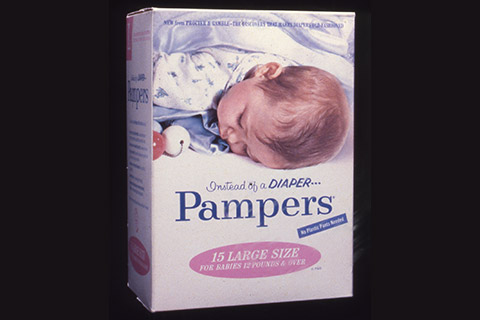
The disposable diaper was a game-changer for babies and their parents. Courtesy of Procter & Gamble
Disposable diapers
During his legendary tenure leading product development at Procter & Gamble, chemical engineer Victor Mills, ’26, had the vision to transform the waste pulp of a newly acquired paper mill into the super-absorbent liner of the first disposable diaper. Pampers changed the game for harried parents — and launched what has become a $100 billion global industry.
Mass-produced foods
At Procter & Gamble, Mills also converted insights from his large-scale refinement of Ivory Soap and Pampers diapers into mass-production of foods ranging from Jif peanut butter to Duncan Hines cake mix to Pringles crisps. Chemical engineer Charles Matthaei, ’43, developed the first industrial process to incorporate whole grains into Roman Meal bread, paving the way for healthier packaged foods.
OneBusAway
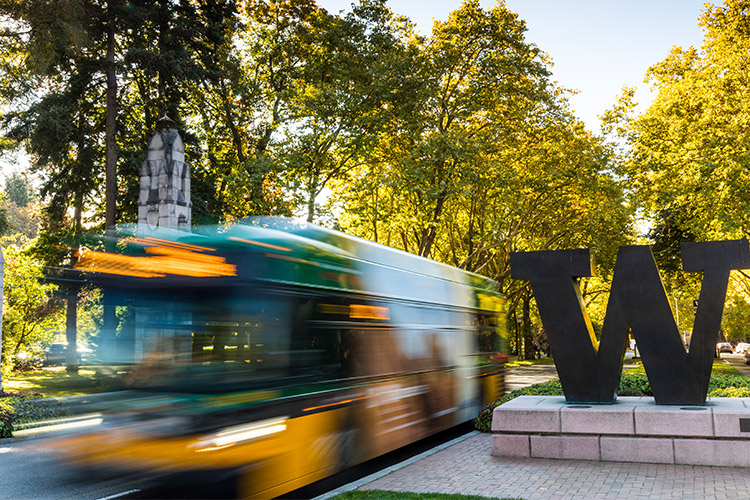
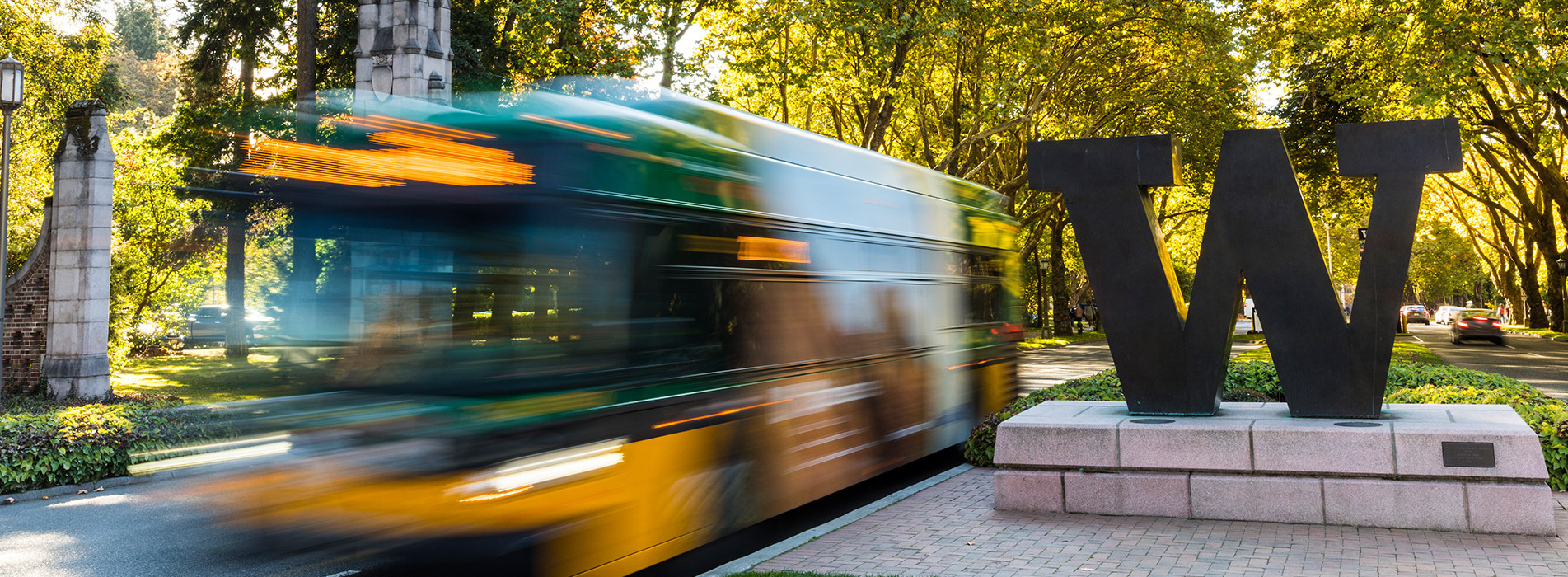
Before real-time transit data, bus riders relied on schedules and guesswork. The OneBusAway app changed that by providing tracking information for King County Metro buses. Created when graduate students Brian Ferris and Kari Watkins merged their Ph.D. research, the system transformed how people navigated Seattle’s public transportation.
Single-handled faucet
While studying mechanical engineering at the UW in the late 1930s, Alfred Moen invented the single-handled faucet after scalding his hands under a conventional dual-handled fixture. His humble, hygienic innovation led to the founding of the eponymous company that remains a major player in plumbing.
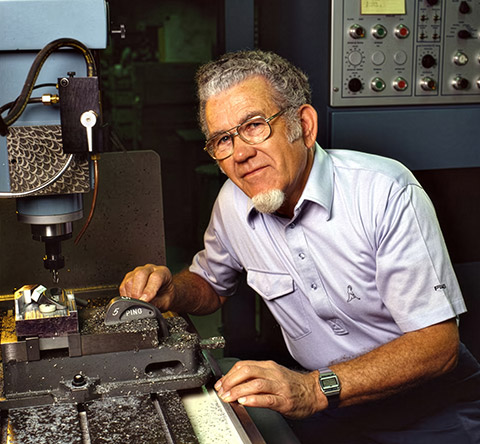
Golf club innovator Karsten Solheim. Courtesy of PING and Golf Digest
Sweeter golf clubs
An avid but frustrated golfer, Karsten Solheim, ’33, applied his mechanical engineering expertise to revolutionize club design and manufacture. His precision putters and irons introduced a bigger “sweet spot” and allowed more room for error to pros and duffers alike. The brand he founded, PING, is still one of the best selling in the sport.
Synthetic rubber, vinyl and bubble gum
A chemical engineer at B.F. Goodrich during World War II, Waldo Semon, ’20, ’24, developed synthetic rubber essential to the war effort. He later invented a soft, pliable form of PVC now used in thousands of products, from credit cards to garden hoses. But his favorite invention? Synthetic rubber bubble gum, which looked like regular gum but blew giant bubbles.
Help us expand the list
Know of a life-changing invention developed by UW Engineering faculty, staff, students or alumni that’s not listed here? We’d love to know about it!
Sources
This information was compiled from several sources, including:
- Lasting legacies: 101 achievements of UW alumni, faculty, staff, UW Magazine (formerly Columns)
- 26 innovations that changed the world, UW online exhibit
- College of Engineering Diamond Awards
- UW ChemE at 100, Department of Chemical Engineering
- A&A's groundbreaking impact, William E. Boeing Department of Aeronautics & Astronautics
Thank you to colleagues at the UW Alumni Association and across the UW College of Engineering for providing information!