
Microsoft
Using Machine Learning to Translate In-Situ Battery Measurements to Optimize Battery Performance
In collaboration with Microsoft, this team developed a machine-learning pipeline to track the contributing factors behind battery swell in Microsoft Copilot PCs. Battery swell is a persistent issue in lithium batteries that arises from electrochemical processes that current methods cannot effectively predict from within the device. This project aims to monitor and estimate swell using on-device resources, enabling better control of its progression. To this end, the students analyzed extensive battery data gathered by Microsoft’s Battery Lab to identify the features most correlated with swell and developed scripts to capture device data and feed it into our prediction model.
Faculty Adviser(s)
Jungwon Choi, Electrical & Computer Engineering
Related News
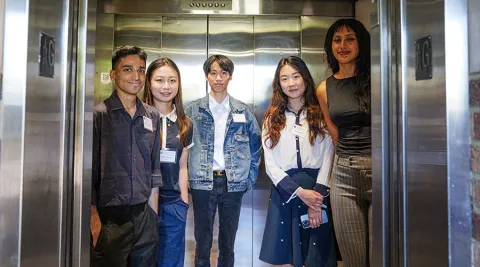
Elevating emerging engineers
The Industry Capstone Program partners UW Engineering students with sponsor organizations to devise innovative solutions to real-world problems.
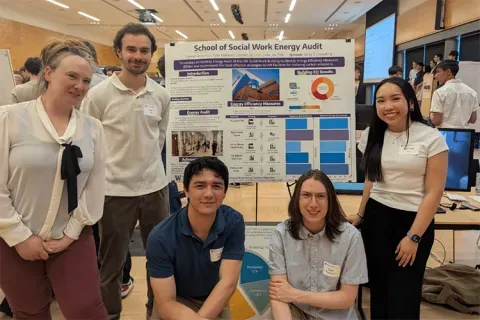
Capstone collaboration leads to award
An ME capstone team received first place for its energy audit of the UW School of Social Work building.
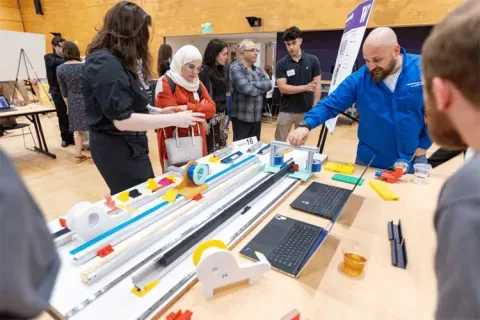
Capstone creations
Students displayed innovative capstone design projects at the 2025 expo.