

Robotics programs
Accelerate your robotics expertise with a graduate program designed for engineers ready to lead in autonomous systems, intelligent manufacturing, and AI-driven innovation.
Program features
Master the future of robotics
Build competency in robotics that can be applied to autonomous systems, healthcare robotics, AI-driven machines and intelligent manufacturing.
Flexible pathways, real impact
Choose a structured master’s experience or individual certificates to create a degree that fits your career goals and schedule.
Learn from leading experts
Study with UW Engineering faculty at the forefront of robotics, AI, controls and systems integration.
Designed for industry and innovation
Gain hands-on, applications-focused experience that prepares you to lead in rapidly evolving technical fields.
Lead the future of modern robotics
Our cross-disciplinary curriculum blends advanced robotics, artificial intelligence, and real-world application through focused specialization tracks aligned with emerging industry needs. You’ll graduate prepared to step into high-impact roles—or create them—in sectors transforming the global economy.
Master of Science in Robotics
Designed for engineering graduates seeking advanced specialization and traditional, full-time students.
Explore Master's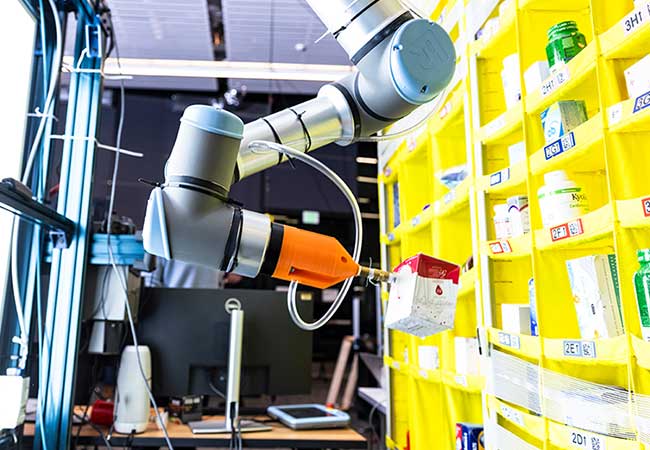
Graduate Certificate in Applied Robotics
A flexible pathway for working professionals and students looking to upskill in high-demand robotics fields.
Explore certificate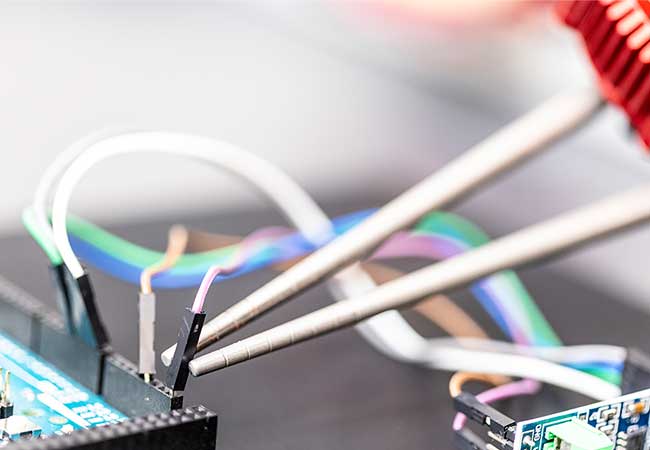
Robotics by the numbers
Seattle is 2nd in the U.S.
for automation and robotics-related job postings.
Global robot density doubled
from 2014 to 2024, highlighting the surge in automation worldwide.
$267 billion by 2033
The projected value of the global robotics market
Featured faculty
Ashis Banerjee
Associate Professor, Industrial & Systems Engineering
Xu Chen
Bryan T. McMinn Endowed Professor, Mechanical Engineering
Dieter Fox
Professor, Paul G. Allen School of Computer Science & Engineering
Blake Hannaford
Professor, Electrical & Computer Engineering
Karen Leung
Juris Vagners and Linda Christianson Endowed Faculty Fellow and Assistant Professor, Aeronautics & Astronautics
Joshua R. Smith
Milton and Delia Zeutschel Professor, Computer Science & Engineering and Electrical & Computer Engineering
Robotics visioning committee
- Xu Chen (Chair), Bryan T. McMinn Endowed Professor, Mechanical Engineering
- Xuegang Jeff Ban, William M. and Marilyn M. Conner Endowed Professor, Civil & Environmental Engineering
- Ashis G. Banerjee, Associate Professor, Industrial & Systems Engineering and Mechanical Engineering
- Tim Chung, General Manager of Autonomy and Robotics, Microsoft
- Blake Hannaford, Professor, Electrical & Computer Engineering
- Luna Yue Huang, Associate Teaching Professor, Materials Science & Engineering
- Karen Leung, Juris Vagners and Linda Christianson Endowed Faculty Fellow and Assistant Professor, Aeronautics & Astronautics
- Lilo D. Pozzo, Boeing Roundhill Professor, Chemical Engineering
- Joshua R. Smith, Milton and Delia Zeutschel Professor, Computer Science & Engineering and Electrical & Computer Engineering
- Mike Wolf, Principal Applied Scientist, Amazon
Keep exploring
News and updates from the Robotics programs at the College of Engineering.
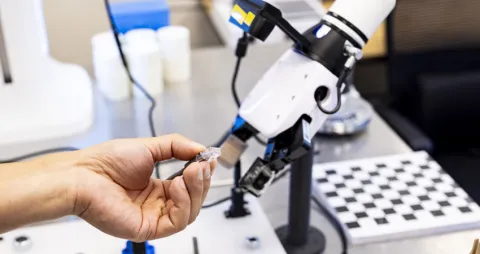
UW Engineering launches Robotics programs
New cross-disciplinary Robotics graduate programs prepare engineers to lead the future of intelligent systems, advanced manufacturing, autonomous technologies and physical AI.
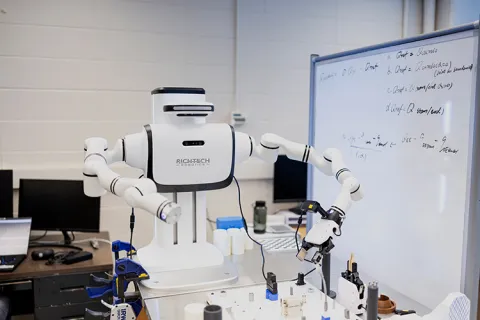
Collaborating on the future of robotics
Highlighting how Mechanical Engineering is building on its strength in robotics through advanced research and graduate programs.
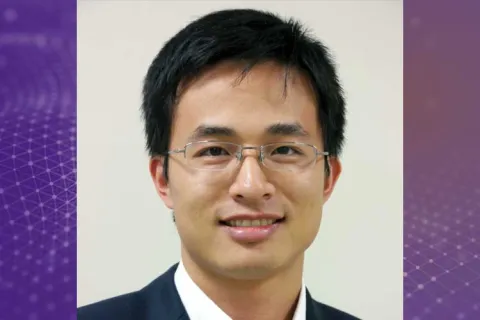
Message from the Director of Robotics Education and Collaborating Industry
The University of Washington's M.S. and graduate certificate programs in Robotics were created to meet the demand for engineers who can design, build, and lead in this field.