
PATH
Harvest and Prioritize Excess Solar Power
PATH, with partners, has previously worked to specify and field test "energy harvesting" equipment for solar powered vaccine refrigerator installations that have been approved by the World Health Organizations Performance, Quality, and Safety team. The critical refrigeration load always receives the power it needs while any additional power can be accessed by additional user loads. PATH has a long history of product development of technologies that are fit for difficult situations and addressing unmet user needs and opportunities. Oxfam currently provides technical support to the humanitarian water, sanitation, and hygiene (WASH) sector for quality implementation of solar powered water pumping solutions. The power system (solar photovoltaic array) is sized to account for cloudy days and periods of low insolation which means there is excess power available most of the time. Oxfam is often asked if there is a way to tap this unused power at water pump installations, but no commercial technology exists for this application. PATH has been approached by Oxfam to work toward a parallel energy harvesting product for these installations. This student team worked to take initial steps toward defining and designing a technology to harvest this extra power for other uses while ensuring that the primary water pumping system still receives all the power it needs. More broadly, this development ideally would lead towards design of a universal device that could be used in any similar solar powered systems that generate unused power. Desired outcomes this student team worked towards included: 1. Initial landscape of similar technologies, preliminary confirmation that there aren't already products out there that just need modification (this has been done, but a more comprehensive landscape and research will be useful at the outset). 2. A basic target product profile (TPP) document to solidify design requirements and targets 3. Conceptual design following the TPP with a design review 4. Conceptual design of the physical user interface for power/load prioritization (possibly with basic, opportunistic user feedback) 5. Initial prototyping of an example device 6. Documentation of design in form of white paper or defensive publication
Faculty Adviser(s)
Payman Arabshahi, Electrical & Computer Engineering
Related News

Elevating emerging engineers
The Industry Capstone Program partners UW Engineering students with sponsor organizations to devise innovative solutions to real-world problems.
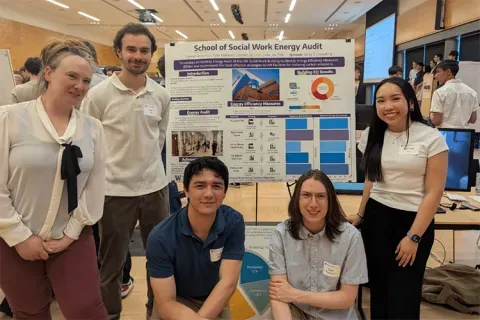
Capstone collaboration leads to award
An ME capstone team received first place for its energy audit of the UW School of Social Work building.
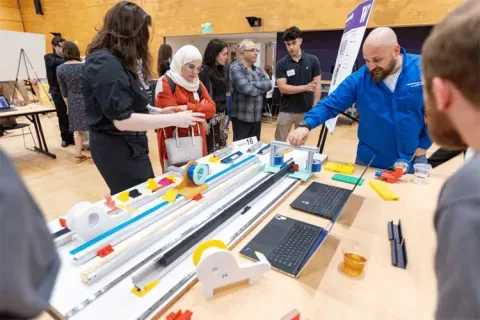
Capstone creations
Students displayed innovative capstone design projects at the 2025 expo.