
Solutions for a changing world
How UW Engineering researchers turn environmental insight into systems that communities can trust: cleaner power, sustainable materials, resilient water and safer recovery after disasters.
Photos by University of Washington
In the Pacific Northwest, the signs of a shifting environment are no longer abstract: summers thick with wildfire smoke, waterways under pressure, storms that test aging infrastructure and a power grid in the middle of a historic transition. Researchers have helped clarify what’s driving pollution, infrastructure vulnerability and ecosystem decline. The next question is how to build solutions that work in the real world, at scale, for communities and industries.
That’s where engineering comes in.
Across UW Engineering, faculty and students take environmental insight and turn it into tools, technologies and systems — work that shows up in cleaner air and safer water, in more resilient infrastructure and healthier ecosystems. The challenge is rarely a single invention. It’s designing materials that can be manufactured, energy systems that can stay reliable under stress, and monitoring tools that can deliver trustworthy information in real time.
Increasingly, UW engineers are using artificial intelligence and advanced data modeling to do that work faster and better: to test ideas before they’re built, to optimize complex systems, and to spot vulnerabilities early — whether in power networks, wastewater treatment or the built environment. From next‑generation energy and electrification to sustainable manufacturing, from contaminant removal to disaster preparation and recovery, their projects share a common goal: moving from concept to solution. Here we highlight several projects underway.
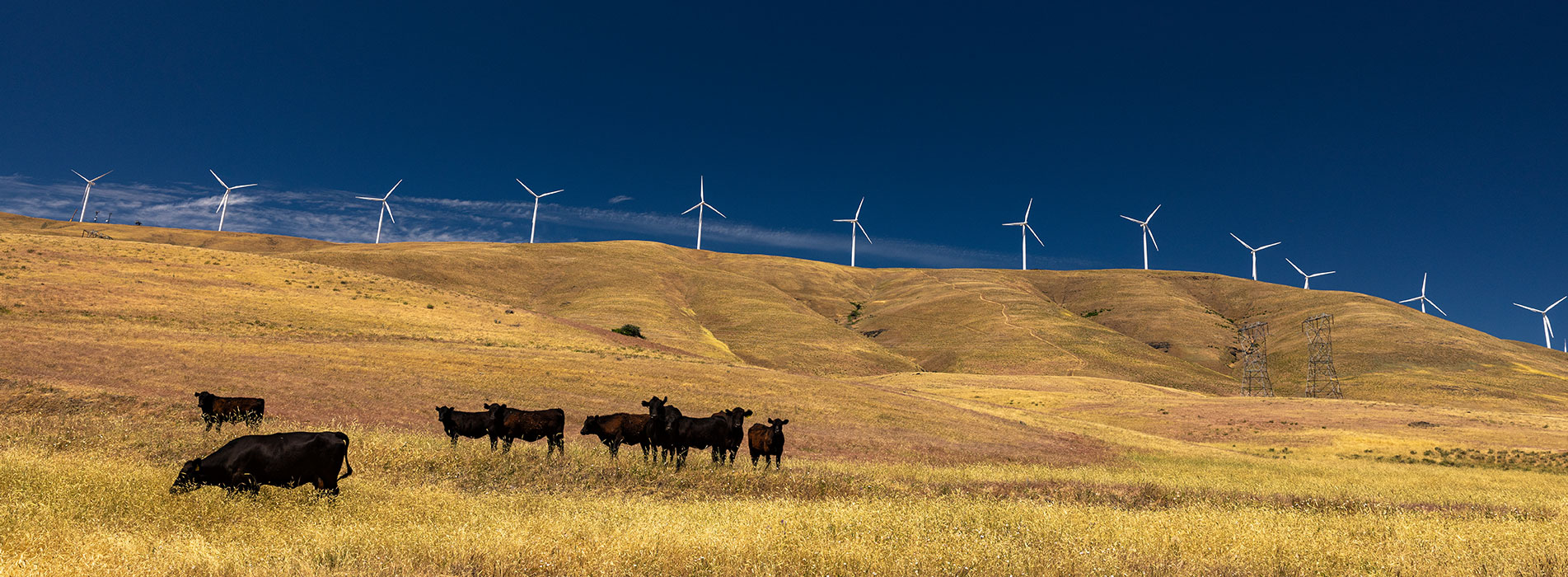
Clean energy and electrification
Engineers are essential to transforming energy breakthroughs into systems that can power communities and economies without harming the planet.
Fusion energy engineering
Tackling the engineering challenges required to make nuclear fusion stable, efficient and scalable could unlock a future source of clean power.
Catalyzing battery manufacturing
New materials, manufacturing processes and systems can help build a robust U.S. battery industry for cleaner transportation and grid‑scale storage.
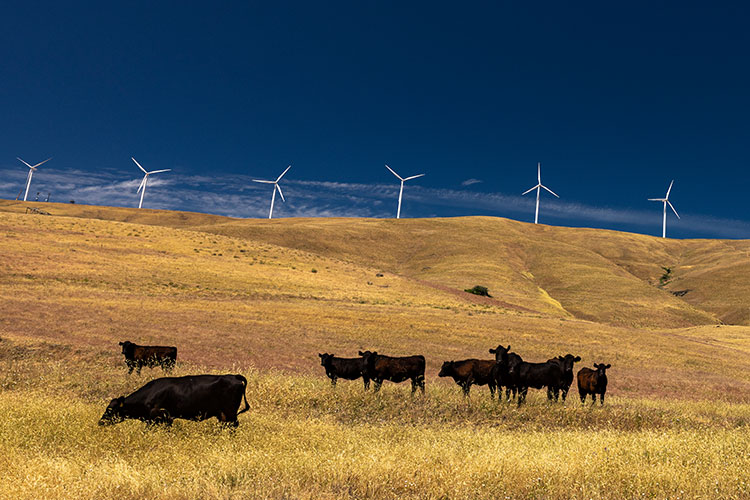
Marine energy and wildlife
By advancing marine renewable energy while assessing and reducing impacts on wildlife, researchers are working to ensure ocean-based power supports healthy ecosystems as well as clean electricity.
Institute spotlight
Clean Energy Institute
The Clean Energy Institute supports the next generation of energy leaders while providing facilities and tools to bring climate tech innovations to market.
Sustainable materials and manufacturing
Many environmental challenges are rooted in how materials are made, used and disposed of. Engineers redesign these systems for lower impact, reuse and circularity.
AI carbon footprinting
AI agents can estimate an electronic device’s carbon footprint in about a minute by scanning databases and even internal component images with accuracy comparable to human experts.
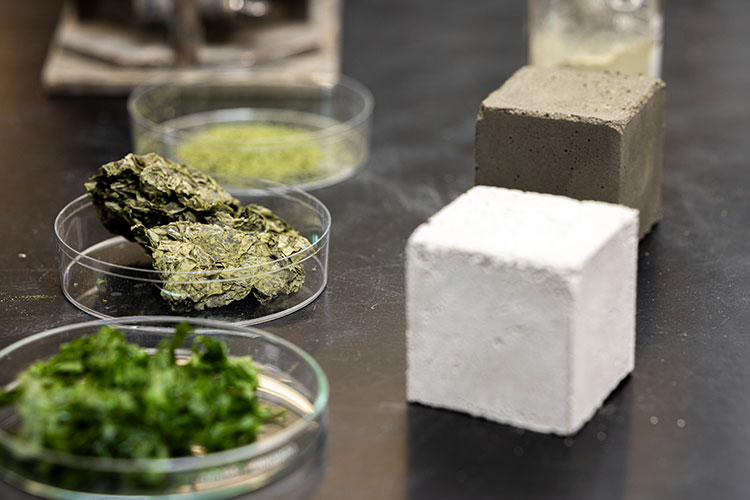
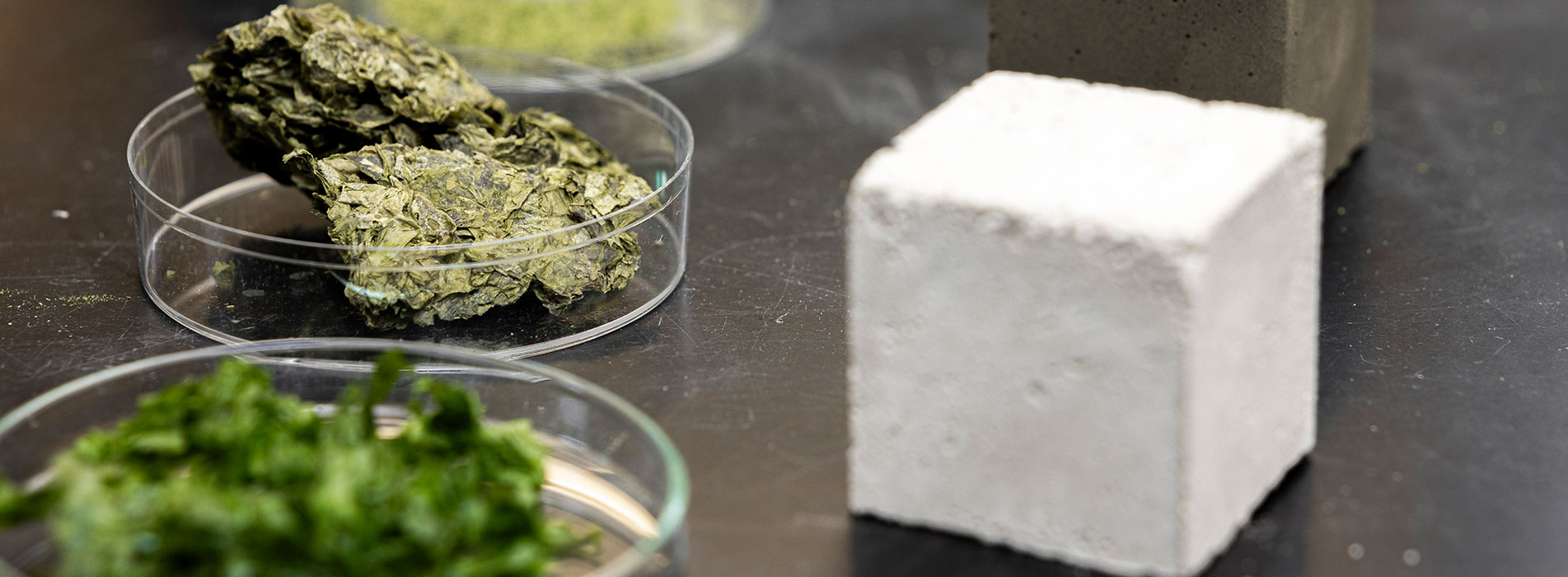
Seaweed cement
Seaweed-infused cement could significantly cut concrete’s carbon footprint, rethinking one of the world’s most emissions-intensive materials.
Compostable coffee plastics
3D printing coffee grounds and mushroom spores can create compostable alternatives to plastic by combining design, biology and manufacturing innovation.
Recyclable circuit boards
Circuit boards designed for repeated recycling could help enable a circular electronics economy.
Reconfigurable electronics composites
New composite materials for recyclable, reconfigurable electronics can reduce waste while supporting more sustainable flexible electronics manufacturing.
Clean water and resilient water systems
Protecting water resources requires engineering solutions that work within complex natural and built systems.
Removing forever chemicals
New approaches are being tested to remove toxic “forever chemicals” and other contaminants from wastewater, translating chemistry into scalable treatment technologies.
Smarter nitrogen removal
Engineers are developing ways to boost nitrogen removal without expanding wastewater plants, cutting pollution while controlling costs and energy use.
Bio-based water filters
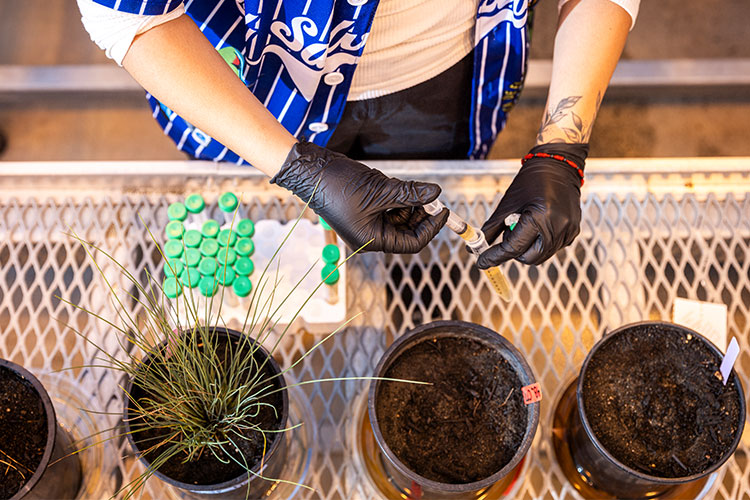
Biologically derived charcoal filters and fungi are being tested for city water purification, pairing biology and engineering to create more sustainable treatment options.
Preparing for and recovering from disasters
As natural disasters grow more frequent and intense, engineers design tools that help communities prepare, respond and recover.
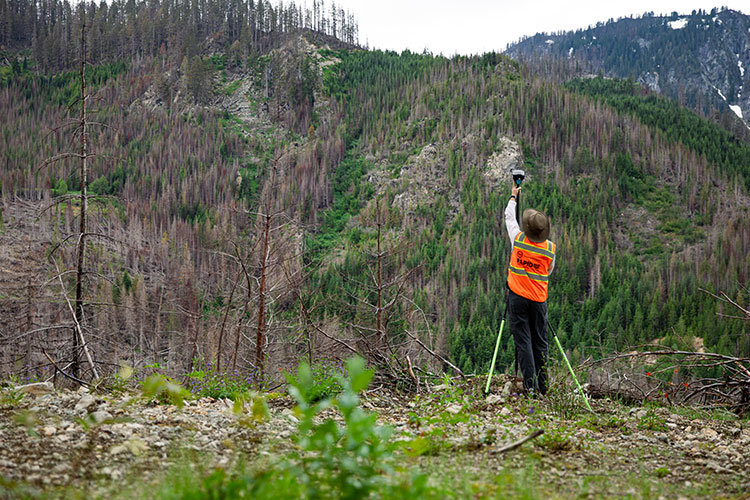
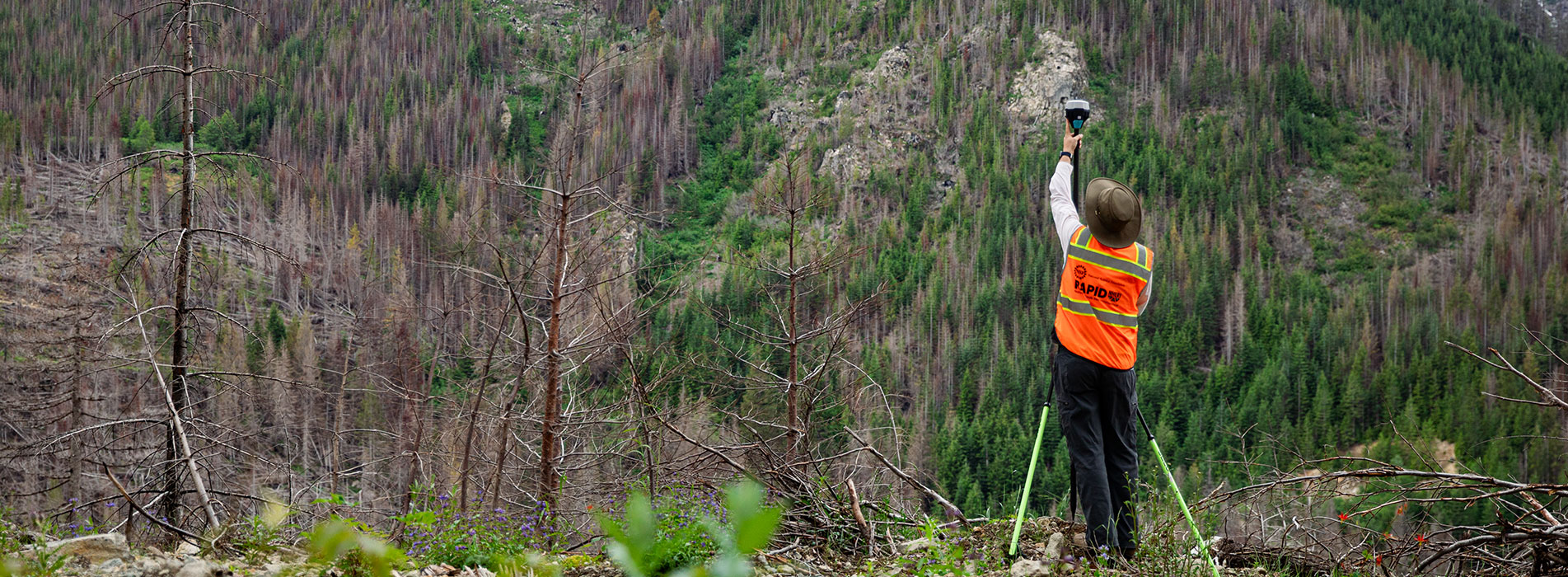
Wildfire risk and recovery
Wildfire safety technologies are advancing alongside research into long-term hazards such as post-fire sediment transport.
Rapid disaster data
By collecting and analyzing critical post-disaster data — such as from 2024’s Hurricane Helene and the 2025 Los Angeles wildfires — researchers can better understand environmental, health and recovery impacts.
Avalanche risk forecasting
Research is revealing how warming temperatures and changing snow conditions may shift avalanche risk across the Pacific Northwest.
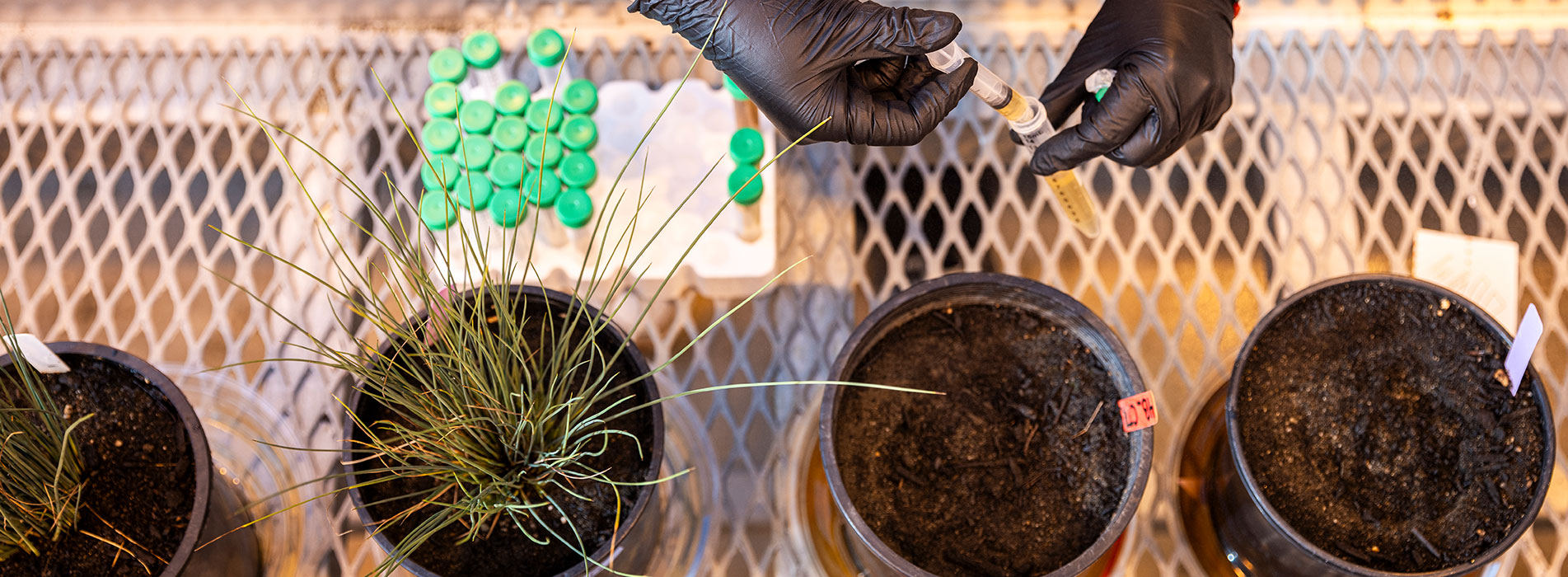
Bacteria-stabilized soils
Using bacteria to strengthen soil can reduce liquefaction risk while offering a lower-carbon alternative to traditional ground reinforcement.
Facility spotlight
RAPID
The RAPID Facility equips researchers with state‑of‑the‑art instruments to collect disaster data that informs science, engineering and policy for stronger community resilience.
Environment and community well-being
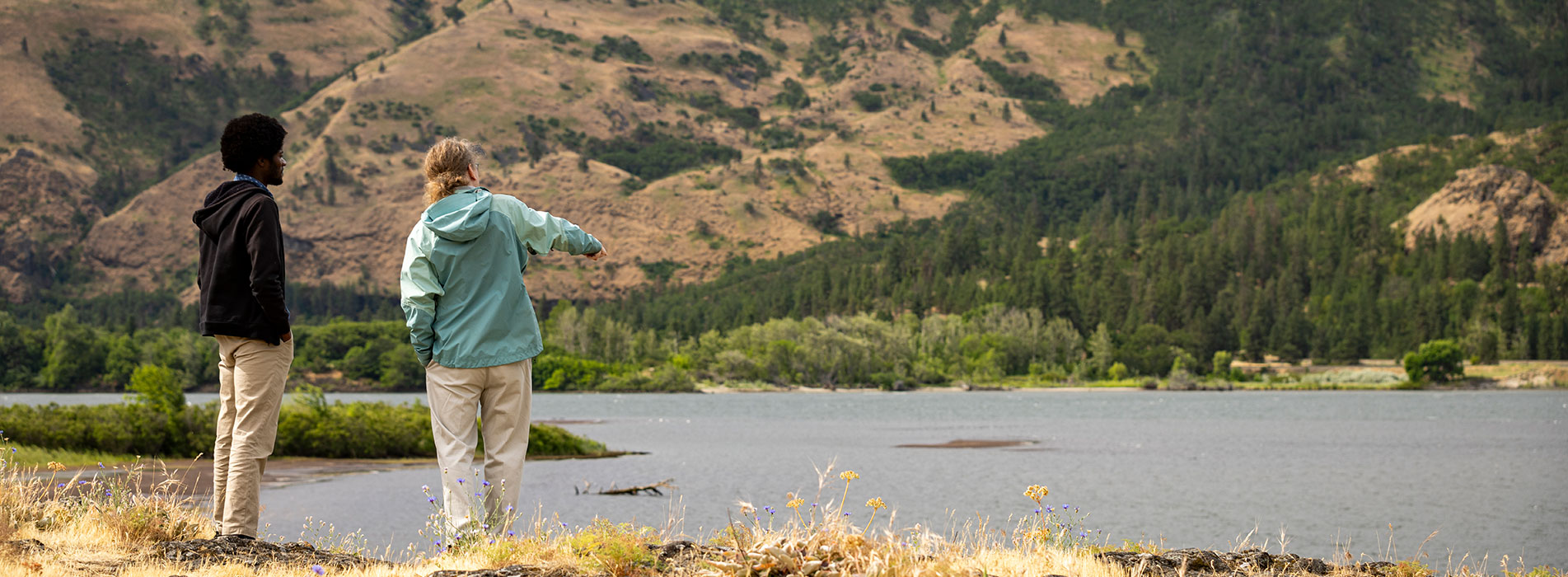
Engineering solutions are most powerful when they advance environmental goals while serving people, ecosystems and equity.
Tribal fisheries restoration
Partnering with Tribal communities, researchers are using satellite data to support fishing-stock restoration efforts that reflect ecological knowledge and community priorities.
AI for power planning
By developing machine-learning datasets, researchers are enabling faster, more flexible and more accessible power-systems planning in underserved communities across the Global South to expand electricity access.
Snow and water supply
By investigating snow sublimation, researchers are helping explain why water supplies can decline even after strong snowpack, with implications for farms, cities and ecosystems that rely on mountain runoff.
Student spotlight
Voltair
The engineering students behind Voltair are innovating drone technology to prevent wildfires from igniting along rural power lines.
Read more stories about engineering for the environment
In a moment when the planet’s challenges are well understood and implementation remains a bottleneck, engineering is the bridge between knowledge and action — and between urgency and outcomes.