

Sample 4-year plans
Use our sample four-year plans to visualize what your coursework may look like depending on your major of interest. Your actual course schedule will vary based on your academic background and course offerings.
Keep exploring
Our faculty, students and alumni go beyond their disciplines and majors to make an impact on Washington and the world.
Turning research into impact
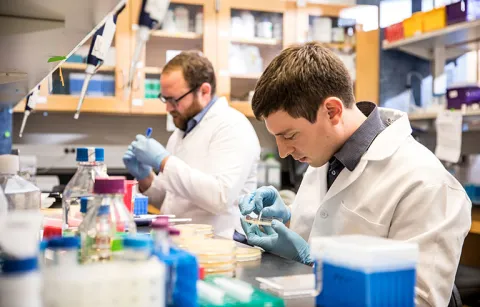
To apply their protein research to the pharmaceutical pipeline, the bioengineers behind A-Alpha Bio learned the language of business.
AMPing up underwater environmental monitoring
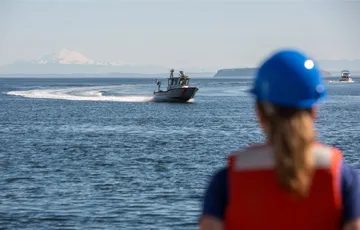
UW researchers are developing devices to answer some of the trickiest questions about marine energy’s environmental effects. Working as part of the Northwest National Marine Renewable Energy Center, researchers have developed a detection system that captures important data about interactions between marine life and marine energy converters — but only when marine life is present. This detection system drastically reduces the extreme amount of low-value data that researchers would otherwise need to store and inspect.
Building a better battery
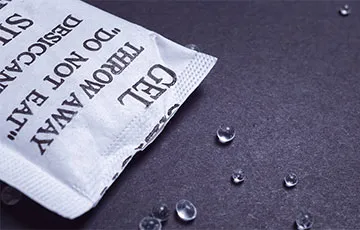
Imagine revolutionizing the renewable energy market with the silica gel packets you find in shoeboxes and snack bags. The research team behind Membrion is working to do just that. Developed by chemical engineering researchers Greg Newbloom (PhD ’14) and Weyerhaeuser Endowed Associate Professor Lilo Pozzo, the Membrion technology seeks to innovate battery storage with a lower cost, improved battery membrane that uses silica gel. And, the team says, they couldn’t be doing it without the support of partners on and off campus committed to advancing alternative energy research, innovation and commercialization.