
Enhancement fee impact
UW Engineering is investing $1.8 million through the inaugural cycle of the Engineering Program Enhancement Fee to enrich the undergraduate student experience. Recommended by a committee of faculty leaders and undergraduate students selected by the Engineering Student Council, these awards reflect a shared commitment to expanding hands-on learning, strengthening student success and preparing graduates for an evolving engineering profession.
97 proposals
requesting over $11 million in funding were submitted by faculty, staff and students
$1.8 million
will be invested in the inaugural cycle of the Engineering Program Enhancement Fee
32 proposals
from across the College will receive funding to improve the engineering student experience
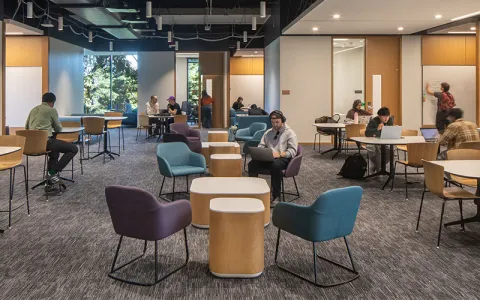
These investments represent an important milestone for the College and are the first step in a long-term strategy to enhance engineering education. The inaugural portfolio includes both department-specific improvements and shared resources that will benefit students across multiple engineering disciplines.
Awards will be used to modernize laboratories and learning spaces, expand access to fabrication and testing facilities, improve instructional technology and computing resources, strengthen student support programs and create new opportunities for exploration and experiential learning. Together, these investments will provide students with greater access to the tools, spaces, technologies and experiences that distinguish a UW Engineering education.
Inaugural awards
These proposals include department-specific improvements and shared resources that will benefit students across the College. The proposals selected for this inaugural cycle were chosen for their potential to deliver meaningful benefits to students today while building a foundation for future investments.
Spaces and experiential capacity improvements
Avionics Lab
This investment will give students hands-on access to the complete electronics design and manufacturing process. By bringing PCB design, fabrication and testing in-house, this new Aeronautics & Astronautics lab will reduce project delays and costs for hands-on experiential opportunities afforded by Design Build Fly, Husky Satellite Lab, SARP and engineering capstones.
Benchtop multimeters for ECE labs
Professional-grade testing equipment will enhance foundational electrical engineering laboratories by giving over 1,000 students hands-on experience with industry-standard tools in a dedicated instructional environment.
Biological wet lab modernization
Bioengineering’s instructional wet lab will be transformed into a modern learning environment that provides students with hands-on experience using tools and techniques common in today's biotechnology and biomedical industries.
Composite Shop, 3×3 Wind Tunnel and C. Bossart Machine Shop enhancements
Upgrades to these widely used Aeronautics & Astronautics facilities will improve safety, reliability and access for students engaged in fabrication, prototyping, manufacturing and testing.
Design Lab 1 technology upgrade
This project will transform HCDE’s Sieg 233 design lab into a modern hybrid learning environment by adding integrated video conferencing and audiovisual technology that supports collaboration, presentations, design reviews and engagement with remote partners.
Dust collection and air filtration upgrades
New dust collection and air filtration equipment in Mechanical Engineering’s Machine Shop will improve safety and air quality in one of the College's most heavily used fabrication spaces, supporting students who work with wood, foam and composite materials.
ECE Anechoic Chamber Modernization
Funds a high-priority signal analyzer to replace outdated RF equipment in the ECE Anechoic Chamber, enabling students to test and measure wireless systems and custom chips using industry-standard tools.
ECE Lab Manager
Bridge funding to launch a second lab manager position in Electrical & Computer Engineering, where a single lab manager currently supports over 1,400 students across all lab spaces. The new position will manage inventory, supplies, equipment, safety, and TA training for the capstone, embedded systems, power systems, and robotics labs used by students across all four ECE degree programs.
Expanded access to the Interdisciplinary Engineering Building
Extended building hours will provide students with greater access to classrooms, laboratories, collaborative spaces and project work areas in one of the College's most heavily used facilities.
IEB G2 student technical staffing for cross-departmental fabrication and testing
Additional student technical staff will support equipment training, evening and weekend access, safety oversight and hands-on assistance, helping more students use shared fabrication and testing facilities.
Large-scale structural testing and advanced instrumentation demonstration facility
Students will be able to observe and analyze real-world structural behavior through large-scale civil and environmental engineering demonstrations that bring engineering concepts to life and deepen understanding of materials and structures.
Materials Science & Engineering laboratory modernization
Upgrades to laboratory equipment used for materials characterization, testing and processing will improve reliability, expand access and strengthen hands-on learning opportunities for students.
ME Annex and Machine Shop capacity expansion
Bridge funding for expanded shop staffing in the ME Annex and Machine Shop. This position will enhance student access to shop facilities and expand safety training, certification, and mentoring while supporting experiential learning across the College.
Quality 4.0 teaching lab
Industrial and systems engineering students will gain hands-on experience with smart sensors, machine vision, automation, digital twins and AI-enabled decision-making technologies that are transforming modern engineering and manufacturing.
Waterjet manufacturing access
Expanded access to waterjet cutting technology to reduce fabrication bottlenecks and enable faster prototyping.
Waterjet student technician
Dedicated student staffing will support training, scheduling, maintenance and safe operation of shared waterjet manufacturing equipment, helping more students access advanced fabrication tools.
Workstation ergonomic upgrades to ECEB 137
Upgrades to laboratory workstations will improve accessibility, organization and ease of use for students while creating a more comfortable and effective hands-on learning environment.
Engineering computing and software
Adobe Creative Cloud Access
Students in Human Centered Design & Engineering (HCDE) will gain access to industry-standard design and accessibility software used for coursework, capstones, portfolio development and career preparation.
Expand capacity and performance of the Virtual Desktop Infrastructure cluster
Additional investment in virtual computing resources will improve access to software and computing power used by engineering students across the College.
Materials selection software for undergraduate design
Students will gain access to industry-standard tools for selecting and evaluating materials based on performance, cost, sustainability and manufacturability, strengthening modern mechanical engineering design education.
Preserving student access to the Instron Universal Testing Machine
A software upgrade will ensure continued student access to a critical civil and environmental engineering materials testing system used to evaluate the materials strength and performance.
Equipment, fabrication and tools
Geosurveying equipment upgrade and modernization
Students will gain access to modern surveying technologies, including LiDAR and advanced positioning tools, providing more hands-on learning opportunities and helping prepare them for careers in surveying, civil engineering and construction.
High-throughput characterization techniques at the Bindra Shared Teaching and Research Facility
Advanced materials characterization tools will expand Chemical Engineering opportunities for hands-on learning, undergraduate research and interdisciplinary projects while giving students experience with technologies used in modern engineering and scientific research.
IEB G2 shared safety infrastructure and operating materials
This investment will provide safety supplies, operating materials, maintenance resources and raw materials needed to keep the Interdisciplinary Engineering Building's fabrication and testing spaces safe, accessible and ready for student use.
Interdisciplinary battery development and high-voltage storage
Provides students with dedicated resources to support the design, build, test and validate advanced battery systems and electrification technologies while preparing them for careers in electric vehicles, aerospace, robotics and clean energy.
Modernizing probability and statistics for engineers
This investment in Industrial & Systems Engineering’s probability and statistics curriculum will expand student access and strengthen instruction through new statistical computing, data analysis and scalable assessment tools aligned with modern engineering practice.
Portable instrumentation and data acquisition equipment
Shared access to industry-standard testing and data collection tools will help aeronautics and astronautics students validate designs, troubleshoot systems and collect real-world data.
Professional soldering equipment upgrades
Industry-standard electrical and computer engineering soldering equipment will improve hands-on learning while helping students develop practical electronics fabrication skills using tools commonly found in professional engineering environments.
Sieg MakeLab upgrade
Expanded prototyping, fabrication and making resources will provide HCDE students with more opportunities to design, create and test ideas using tools such as 3D printers, laser cutters, electronics equipment and other maker technologies.
Updated laptop checkout program
Modern loaner laptops will help ensure HCDE students have reliable access to the technology they need for coursework, projects and collaborative learning activities.
Exploration
Engineering exploration videos
A new series of engaging videos will help students explore engineering majors, career paths and hands-on learning opportunities. The videos will be used by Engineering Undeclared students, prospective students, advisors and departments across the College.
Exploration Navigators
Student peer mentors will help first-year engineering students connect with research, events, organizations and experiential learning opportunities, making it easier to explore majors, build community and discover engineering pathways.